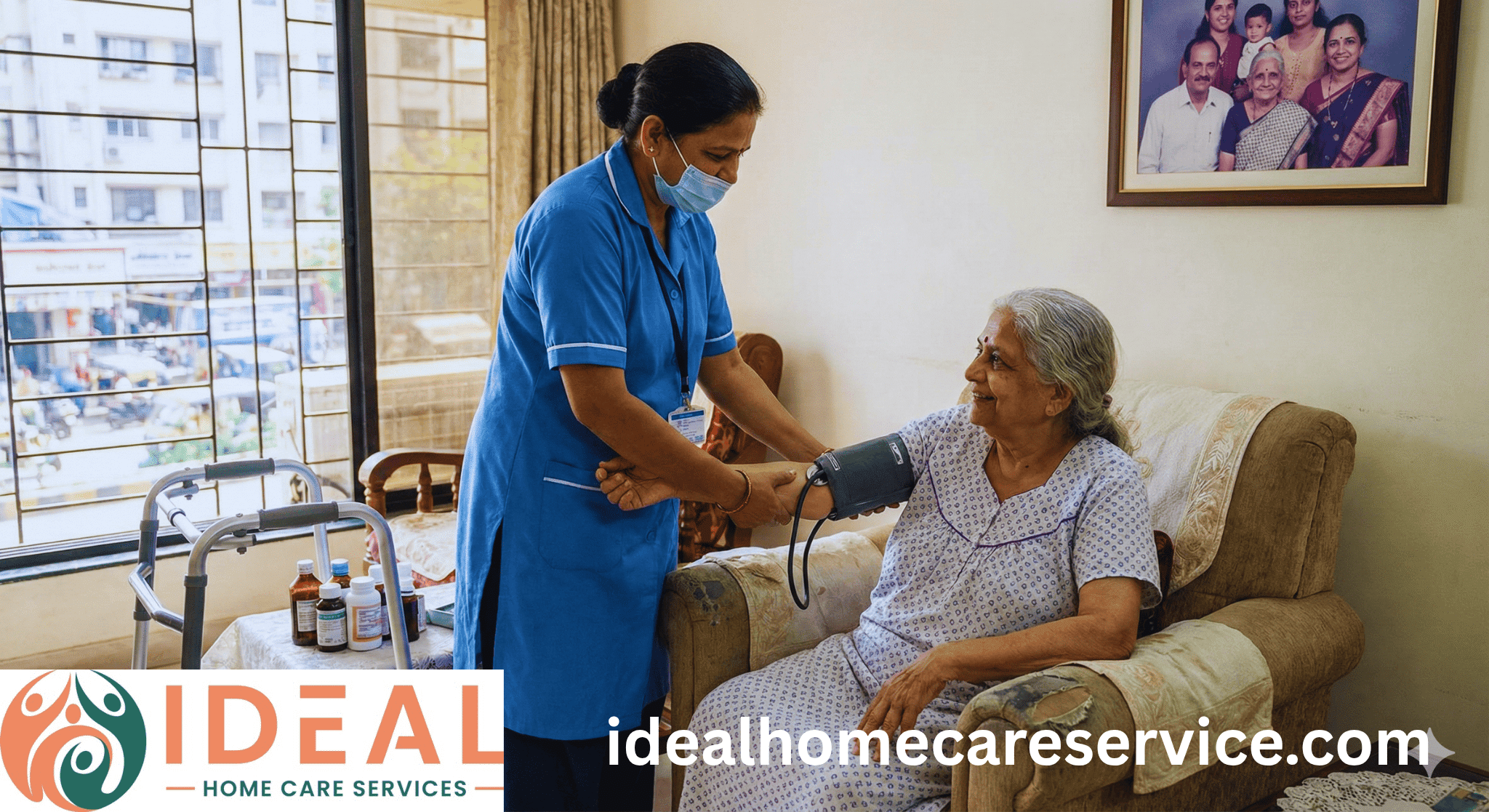
Caretaker for Patient at Home: A Complete Guide to Compassionate Home Care
A caregiver for patients at home plays a vital role in supporting elderly individuals, those with chronic illnesses, individuals recovering from surgery, people with disabilities, and bedridden patients. They provide daily assistance and emotional comfort within the patients’ own homes. More families are now choosing to hire a caregiver instead of opting for long hospital stays or institutional care, as this approach ensures safety, dignity, and personalized attention for their loved ones.
Who is a caretaker for patient at home?
A home caretaker for patients is a trained or semi-trained professional who attends to the patient’s routine needs, basic medical requirements, comfort, and safety within the home environment. This role differs from that of a general housemaid, as the primary focus is always on the patient’s health, hygiene, and overall well-being. Depending on the patient’s condition, caretakers may work a few hours a day, full-time, or as live-in attendants to provide around-the-clock care.
Daily responsibilities and routine care
A caretaker’s primary responsibility is to assist patients in managing daily tasks that have become difficult or impossible for them to handle on their own. These tasks are typically categorized as Activities of Daily Living (ADLs) and Instrumental Activities of Daily Living (IADLs).
Key responsibilities of a caretaker for patient at home often include
- Assisting with bathing: sponge baths for bedridden patients or supervised bathroom bathing for those with mobility but at risk of falls.
- Supporting grooming and personal hygiene: brushing teeth, combing hair, shaving, nail care, and changing clothes to maintain dignity.
- Toileting and incontinence care: helping patients use commodes, urinals, bedpans, or managing adult diapers, ensuring cleanliness and skin protection.
- Mobility support: helping patients change positions in bed to prevent bedsores, transferring from bed to wheelchair, and assisting with walking or using mobility aids.
- Feeding and nutrition: preparing simple, prescribed diets, assisting with feeding, and ensuring adequate water intake according to medical advice.
In addition to providing personal care, a caregiver for a homebound patient typically maintains the cleanliness of the patient’s environment, alters bed linens, handles minor laundry tasks related to the patient, and makes certain that the room is secure and free of clutter. Taking these small, regular steps can reduce the risk of infection, help prevent falls, and make the patient more comfortable.
Basic health monitoring and medical support
Although a caretaker for patient at home is not a doctor, many attendants receive basic training to observe health parameters and support simple clinical tasks. Their regular presence allows early detection of problems, which can be crucial in long-term or palliative care situations.
Typical health‑related responsibilities can include:
- Monitoring vital signs means checking body temperature, pulse, blood pressure, and sometimes oxygen levels, following the instructions of healthcare professionals.
- Medicine reminders involve making sure the patient takes their prescribed tablets, syrups, or inhalers on time, according to the doctor’s schedule.
- Reminding and assisting the patient in adhering to dietary restrictions, using a glucometer to check blood sugar, or keeping an eye out for warning signs are all part of the management of diabetes and hypertension.
- Post-operative care includes maintaining hygiene to lower the risk of infection following procedures, facilitating moderate movements, and assisting with wound care under nursing supervision.
- Coordination between professionals and family: informing family members of any changes in behavior, pain, mood, hunger, or sleep so that medical experts can modify treatment as necessary. Caregivers collaborate with visiting nurses or physicians who visit the patient on a regular basis to assess them in various home-based care models. The patient can stay at home and receive near-hospital level support thanks to this team-based approach.
Emotional support and companionship
Illness has a profound impact on the mind and emotions in addition to the body. Particularly for elderly or long-term patients who spend the majority of their days indoors, a caregiver at home frequently develops into a trusted friend. Loneliness, anxiety, and despair can be much lessened by a simple human presence, a nice discussion, or a listening ear.
A caretaker may:
- Involve the patient in easy games appropriate for their age and condition, light reading, discussions, or reminiscences.
- To preserve structure and stability, encourage the patient to adhere to a basic schedule that includes eating, exercising, sleeping, and waking up at regular times.
- In order to maintain self-esteem and avoid feelings of powerlessness, gently encourage the patient to complete modest chores on their own when it is safe to do so.
Emotional support is just as vital as medication for people suffering from dementia, stroke, or terminal illness. During really trying times, a dependable caregiver who is aware of their routines, preferences, and anxieties can establish a peaceful, consoling atmosphere.
Benefits of hiring a caretaker for patient at home
Both the patient and the family benefit from having a caregiver at home. Trained attendants are now a crucial component of support networks as healthcare systems around the world promote greater home-based and community-based care.
Key benefits include:
- Comfort of home: Patients stay in a familiar setting with family, which frequently lifts their spirits and encourages cooperation during therapy.
- Shortened hospital stays: Many patients can be released from hospitals sooner with the right home support, which lowers expenses and lowers the risk of hospital-acquired infections.
- Personalized one-on-one care: A caregiver at home can concentrate on a single person’s particular requirements, habits, and preferences, in contrast to institutions where staff members split tasks across numerous patients.
- Relief for family caregivers: Family members frequently experience physical and emotional stress as a result of juggling employment, domestic duties, and extensive patient care. When a patient has a caregiver at home, they can work, relax, or handle other responsibilities knowing that their loved one is being taken care of.
- Improved quality of life: Together, good nutrition, timely medicine, mobility assistance, companionship, and regular hygiene enhance general quality of life and may help prevent functional deterioration.
Hiring a caregiver becomes particularly beneficial for many families when they have long-term ailments that require ongoing support, such as stroke, advanced arthritis, dementia, cancer, or severe handicap.
Qualities to look for in a home caretaker
Choosing the best caregiver for a patient at home is a crucial choice that immediately impacts comfort and safety. Certain personal traits have a significant impact on the day-to-day experience after basic training.
- Patience and empathy: Taking care of sick or elderly people can be laborious and monotonous, necessitating a composed and sympathetic demeanor.
- Reliability and punctuality: Consistency is important since timely medication administration and regular procedures are essential to patient care.
- Physical fitness: Caregivers frequently have to help lift, turn, or support patients, which calls for a certain level of strength and endurance.
- Communication skills: Better coordination and trust are ensured by courteous, clear communication with the patient and their family.
- A basic understanding of hygiene and infection control: To prevent illness, it is crucial to wash your hands properly, dispose of trash safely, and handle medical supplies cleanly.
These days, a lot of professional organizations offer patients trained caregivers at home, run background checks, and provide replacements if necessary. When scheduling services, families can additionally ask for certain language preferences, gender preferences, or familiarity with particular conditions.
How families can support the caretaker
Family involvement is still essential for really comprehensive care, even when the patient has a committed caregiver at home. The patient gains from both professional and emotional support when relatives and caregivers collaborate.
Families can help by:
At the beginning, give a thorough explanation of the patient’s medical history, current medications, and daily schedule. Keeping crucial phone numbers (doctors, ambulance, nearest hospital, relatives) easily available in home. Maintaining a sustainable agreement requires respecting the caregivers’ working hours, downtime and assigning duties. Monitoring the patient’s comfort and contentment on a frequent basis and swiftly and courteously resolving any concerns with the agency or caregiver.
For patients who rely on daily support for the majority of their activities, this cooperative approach fosters stability and trust.
Families can make well-informed decisions that safeguard patient well-being and caregiver health by being aware of the entire range of tasks that a caregiver for a patient at home can perform, including physical care, basic medical assistance, emotional companionship, and coordination with family and health professionals. This type of individualized home-based care frequently serves as a link between hospital treatment and a respectable, pleasant life at home.